
Dr. Mohammed Ali Abdullah Al-Rajhi
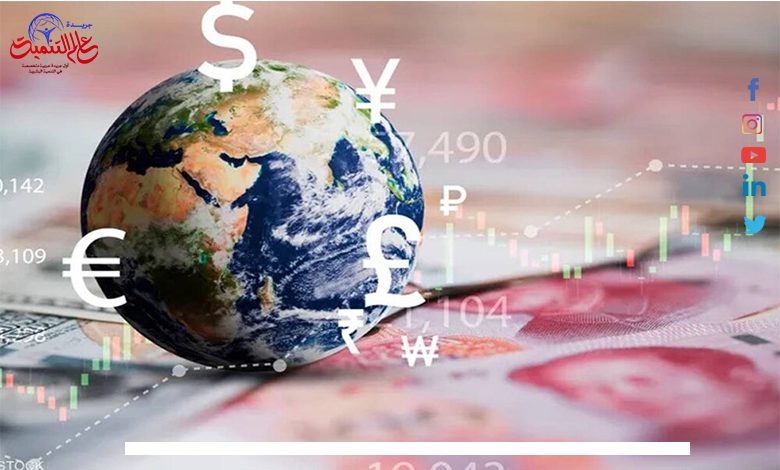
The world is witnessing continuous economic developments that impact global economic systems and pose new challenges to countries and institutions. These developments can be attributed to various interconnected factors such as technology, globalization, and political and social changes.
The shift towards the digital economy is one of the most significant economic developments in the modern era. Digital technology and the internet have transformed the way companies and individuals operate. We have witnessed tremendous growth in e-commerce, where individuals and businesses can easily buy and sell online. This promotes economic growth and creates new job opportunities. However, the digital transformation requires investments in technological infrastructure and the development of digital skills.
International trade is undergoing significant developments in the context of increasing globalization. Business operations have expanded across borders, allowing companies to access global markets more quickly and efficiently. Global communication and international cooperation enhance trade and investment and contribute to the growth of different economies. However, international trade faces challenges such as trade disputes, global economic slowdown, and concerns about trade balance and protectionism.
Economic developments lead to transformations in the labor market and skill requirements. The labor market is affected by rapid technological advancements, where some traditional jobs are being replaced by technology and artificial intelligence. On the other hand, the digital economy and advanced technology require new skills such as data analysis, programming, and digital marketing. Education and training must evolve to meet the changing needs of the labor market and enable individuals to acquire the necessary skills for success in the modern economy.
Modern economic developments face several challenges. Among these challenges is the need for economic and social balance, where economic growth should be inclusive and benefit everyone. This requires directing investments, developing social infrastructure, and enhancing employment opportunities. The world also faces significant environmental challenges, as the economy needs to evolve in sustainable ways and address climate change while preserving natural resources.
The world is experiencing continuous economic transformations that require adaptation and updates from countries and institutions. By focusing on modern economic developments such as digital transformation, globalization, and labor market transformations, we can achieve sustainable economic growth and distribute its benefits fairly. By addressing challenges related to economic and social balance and environmental sustainability, we can build a better economic future for everyone.
أكاديمية “بناة المستقبل” الدولية
برئاسة أم المدربين العرب – الدكتورة “مها فؤاد” مطورة الفكر الإنساني
و” المنظمة الامريكية للبحث العلمي”
www.us-osr.org